The Third Place Problem: Why New Yorkers Struggle to Build Real Community
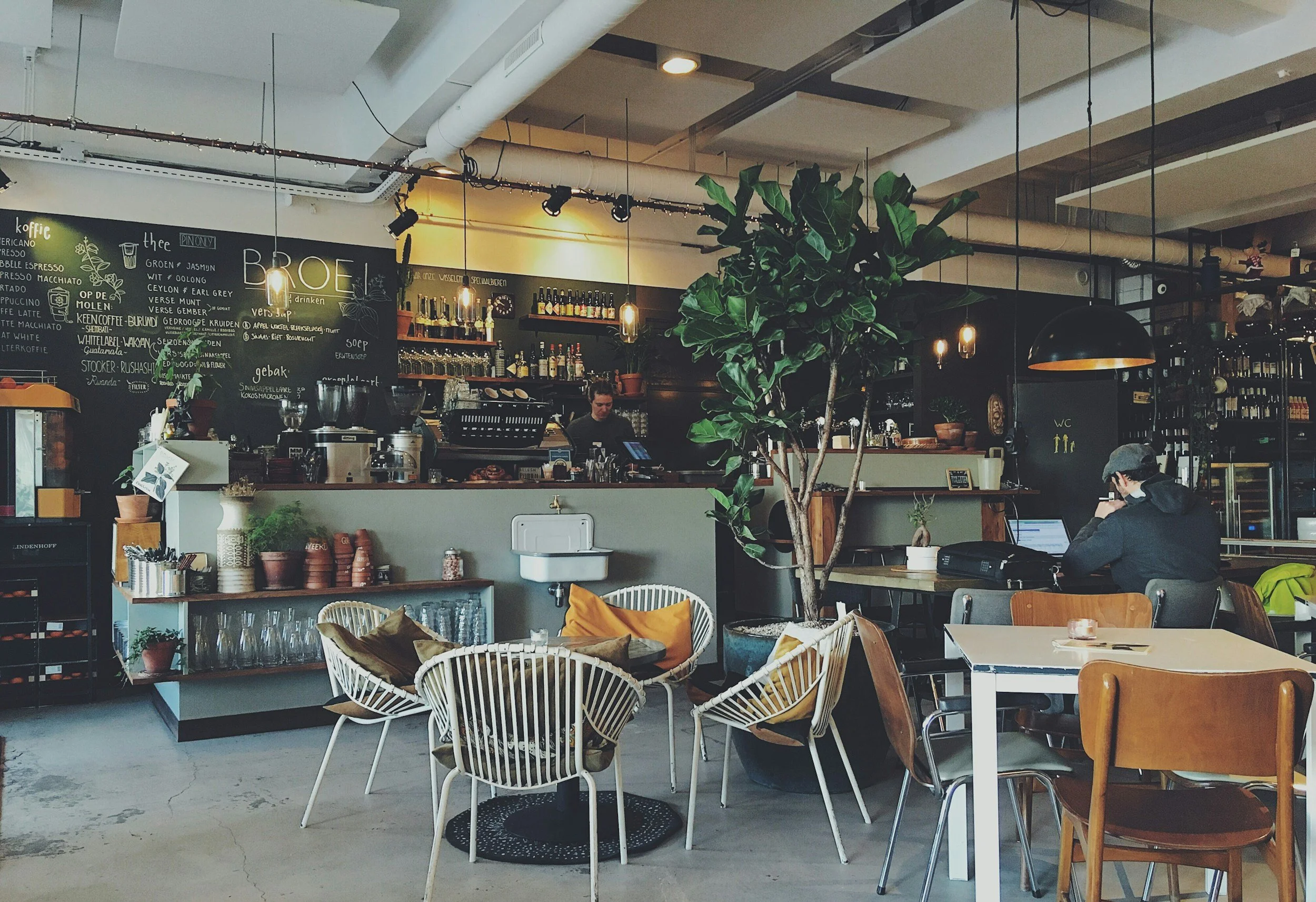
There's a concept in sociology called a "third place", somewhere that isn't home (your first place) or work (your second place), but a spot where you show up regularly enough that you start recognizing faces, get folded into casual conversation, and slowly become part of something.
Think the neighborhood coffee shop where the barista knows your order, or your favorite yoga studio where you always run into the same attendees.
While this sounds great in theory, here's the uncomfortable truth for a lot of New Yorkers: you might not actually have one.
Why There’s No Third Space
NYC makes it deceptively easy to have zero real community while looking, from the outside, incredibly social.
You can go to a different restaurant every week, attend a different event every weekend, and still not have a single place where people would notice if you stopped showing up.
The sheer size and turnover of the city work against the kind of slow, repeated familiarity that community actually requires.
For example, your favorite coffee shop closes and reopens as something else, your friend group scatters across boroughs, making a spontaneous hang genuinely logistically hard, or the person you always saw at the gym moves to Jersey City.
The Structure Is Different
The lack of infrastructure isn't a personal failure or reflection of your efforts, it's a structural one.
Community typically is built into daily life through things like religious congregations, close-knit block associations, or staying in one neighborhood for decades.
If you’re new to NYC, this infrastructure feels non-existent and it’s hard to find where to go for community support and connection.
What's left often requires you to actively construct your own third place, rather than simply inherit one.
Some people thrive in creating their own space or collective, and for others, that’s a difficult and anxiety-provoking task.
How To Build Community
So how do you actually build this?
Start smaller than you think you need to.
A weekly volunteering shift, a recurring class at the same gym or studio, a standing seat at the same neighborhood spot, a local recreational sports league, these work precisely because they force repetition.
You don't need to become best friends with everyone there. You just need enough repeated, low-stakes contact that familiarity has room to grow into something more, on its own timeline.
It also helps to resist the urge to evaluate a new group after one visit.
The first time you show up somewhere new, it's supposed to feel a little stiff.
Community isn't built in a single afternoon; it's built in the fifth or sixth appearance, when people start expecting you.
Public libraries, community centers, and local nonprofits are underrated resources here in NYC.
Many were specifically designed to be community hubs, and they tend to be far more welcoming and low-pressure than they get credit for.
If you've been feeling like you're on the outside of a city that's supposedly full of people just like you, you're not imagining it, and you're not alone in feeling it. Building real community here takes intention, and sometimes it helps to have support while you figure out what that looks like for you.
Thinking About Starting Therapy?
If you’re considering therapy, we’d love to support you.
Submit a contact form or email us at hello@gluckcollective.com to get started.Feel free to explore our services menu and specialties to see if we click.
At Gluck Psychology Collective, we offer in-person and virtual therapy across NYC for anxiety, burnout, relationships, life transitions, trauma, self-worth, and identity development.
It is our goal to make therapy as affordable and accessible as possible —we are in-network with Aetna and offer reduced rate therapy as well.
If you’re feeling stuck or overwhelmed, you don’t have to figure it out alone. Let’s talk about it.
Frequently Asked Questions
-
Any recurring, low-pressure spot outside home and work where you show up regularly enough to build familiarity like a gym class, a coffee shop, a place of worship, a hobby group, or a local bar can all qualify.
-
Density doesn't guarantee connection. Smaller cities and towns often have more stable, repeated social structures, while NYC's size and transience can make it harder to build the familiarity that community depends on.
-
It varies, but most people notice a shift after several repeated visits to the same place or group, often somewhere around the fifth or sixth time, once familiar faces start to recognize you back.
-
Not necessarily. A sense of community can come from a handful of familiar, recurring faces and a place where you feel recognized, even without a large or tight-knit friend group.
-
Many people build community successfully on their own with consistency and intention. But if isolation has started to affect your mood, motivation, or self-worth, talking to a therapist can help you understand what's getting in the way.
If this blog was helpful to you, we think these might be as well:
Moving to NYC in Your 20s & 30s: How to Build Community, Make Friends, and Feel at Home
Finding Happiness in NYC: How to Feel Grounded in the Chaos