The Loneliness Many Men Never Talk About
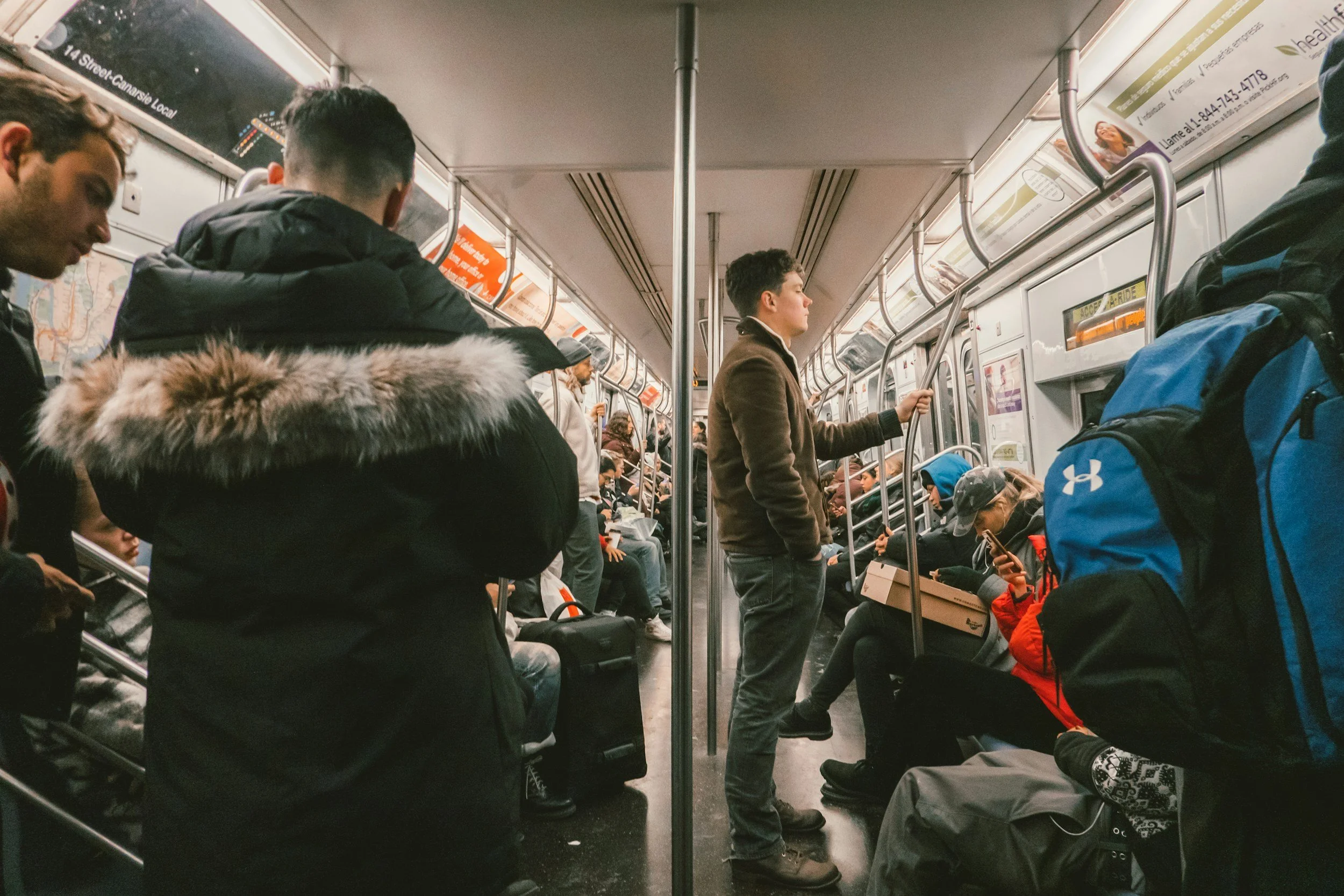
Loneliness is often imagined as being physically alone.
But some of the loneliest people are surrounded by coworkers, friends, partners, and family.
For many men, loneliness isn't about the absence of people, it's about the absence of places where they feel safe enough to be fully known.
They may have people to watch the game with, work alongside, or text occasionally.
What they often don't have are relationships where they feel comfortable talking about fear, disappointment, grief, insecurity, or emotional pain.
As a result, many men carry burdens that few people ever see.
The Expectations Many Men Grow Up With
From an early age, many boys receive messages, both directly and indirectly, about what it means to be "strong."
They’re told: don't cry, handle it yourself, stay tough, and don't be weak.
Whether these messages come from family, sports, school, peers, or society, they often teach boys that vulnerability is something to manage rather than something to share.
Over time, many men become highly skilled at solving problems while becoming less comfortable expressing emotions.
They may know how to fix almost anything, except what they're feeling.
Success Doesn't Always Protect Against Loneliness
Many men spend years building successful careers, supporting their families, and fulfilling responsibilities.
From the outside, life may appear stable.
Yet internally, they may feel disconnected, isolated, or emotionally exhausted.
Achievement often earns admiration.
It doesn't automatically create emotional connection.
Many men discover that they have built successful lives while quietly losing opportunities for genuine intimacy and emotional support.
Why Emotional Isolation Happens
Loneliness rarely develops overnight, rather, it often grows slowly.
Busy careers leave little time for friendships.
Marriage and parenting change priorities.
Friends move away.
Conversations become focused on work, sports, logistics, or responsibilities instead of what is happening emotionally.
Years can pass before someone realizes they no longer have people they truly confide in.
Not because they don't want connection.
Because somewhere along the way, emotional openness stopped feeling familiar.
The Cost of Carrying Everything Alone
Many men become accustomed to handling stress privately.
They tell themselves they'll deal with it.
They stay busy.
But emotional pain that remains unspoken rarely disappears.
Instead, it often shows up in different ways:
Irritability
Emotional withdrawal
Increased stress or anxiety
Difficulty sleeping
Overworking
Feeling disconnected from loved ones
Sometimes what appears to others as anger, distance, or emotional unavailability is actually loneliness that has gone unrecognized.
Real Strength Includes Being Known
One of the biggest misconceptions many men carry is that asking for support means they are failing.
In reality, emotional connection is not a sign of weakness.
It is a fundamental human need.
Being strong doesn't require carrying every burden alone.
Sometimes strength looks like telling a trusted friend you're struggling.
Sometimes it means allowing your partner to see parts of you that you've spent years hiding.
Sometimes it means asking for help.
Those moments often require more courage than pretending everything is fine.
Moving Forward
Loneliness isn't always visible.
Some of the people who seem the strongest on the outside are quietly carrying the heaviest emotional burdens.
If this feels familiar, know that you are far from alone.
Connection doesn't begin by finding more people.
It often begins by allowing yourself to be more fully seen by the people who already care about you.
Sometimes the strongest thing a person can say is simply: "I'm not okay."
And sometimes, that conversation changes everything.
Thinking About Starting Therapy?
If you’re considering therapy, we’d love to support you.
Submit a contact form or email us at hello@gluckcollective.com to get started.Feel free to explore our services menu and specialties to see if we click.
At Gluck Psychology Collective, we offer in-person and virtual therapy across NYC for anxiety, burnout, relationships, life transitions, trauma, self-worth, and identity development.
It is our goal to make therapy as affordable and accessible as possible —we are in-network with Aetna and offer reduced rate therapy as well.
If you’re feeling stuck or overwhelmed, you don’t have to figure it out alone. Let’s talk about it.
Frequently Asked Questions
-
Many men grow up receiving messages that encourage independence and emotional self-reliance. Over time, this can make it difficult to express vulnerability or seek support, even when they deeply value connection.
-
Yes. Loneliness is often less about the number of relationships someone has and more about whether they feel emotionally understood, supported, and able to be themselves.
-
For many men, expressing emotions may not have been encouraged while growing up. As adults, vulnerability can feel unfamiliar or uncomfortable, even when they want closer relationships.
-
Loneliness can contribute to irritability, emotional withdrawal, anxiety, sadness, sleep difficulties, and feeling disconnected from friends, family, or a partner.
-
Yes. Therapy can help individuals understand emotional patterns, improve communication, strengthen relationships, and create greater emotional connection with themselves and others.
If this was helpful to you, we think you should read these next:
When Stress Stops Feeling Manageable: Therapy for Anxiety and Burnout in NYC
Reclaiming Your Relationship with Yourself
Feeling Off? Create a Life Balance Wheel to Regain Clarity & Realign Your Goals