The Emotional Side of Aging No One Talks About
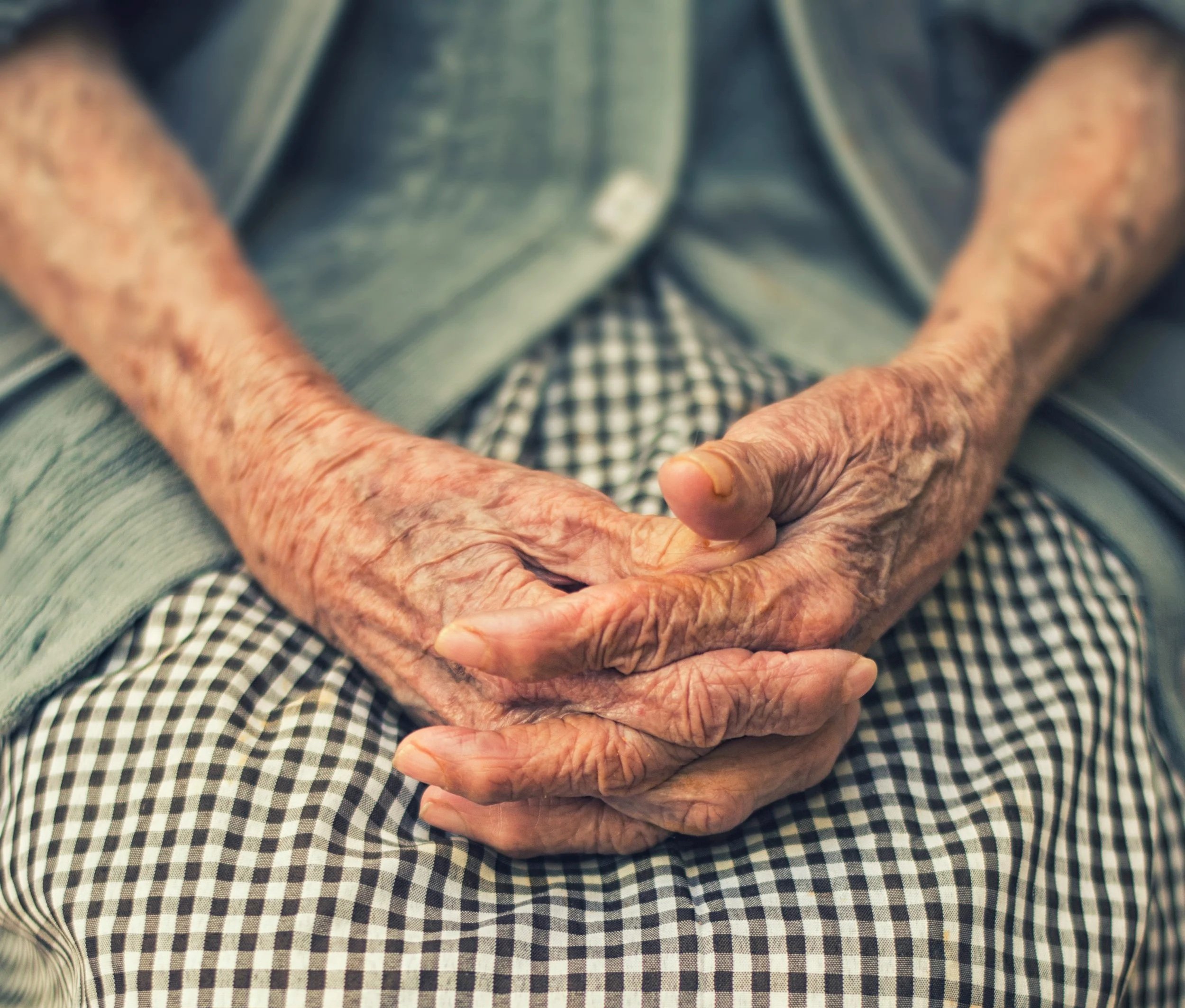
Getting older is something we all expect, yet few of us are truly prepared for the emotional changes that can accompany it.
Most conversations about aging focus on wrinkles, gray hair, retirement, or physical health. Much less attention is given to the quieter emotional experiences that often emerge as the years pass.
For many people, aging brings a mix of gratitude, growth, uncertainty, and grief all at the same time.
You may find yourself feeling more reflective, questioning old priorities, grieving versions of yourself you've outgrown, or wondering how quickly time seems to be passing.
These experiences are far more common than many people realize.
Aging Often Brings Unexpected Grief
Grief is not limited to losing someone we love.
Sometimes we grieve for the seasons of our own lives: the version of ourselves who was raising young children, the career we poured decades into, the body that once recovered more easily.
The dreams that changed. The opportunities we didn't pursue.
Even positive life transitions can carry a quiet sense of loss.
Many people feel guilty acknowledging these emotions because they believe they should simply be grateful. But gratitude and grief can exist together.
You can appreciate where you are while still mourning what has changed.
Time Begins to Feel Different
One of the biggest emotional shifts many people notice is their relationship with time.
In our twenties and thirties, life often feels open-ended. There always seems to be more time to travel, change careers, repair relationships, or pursue new dreams.
As we move through our forties, fifties, and beyond, time often begins to feel more tangible.
Birthdays may prompt reflection.
Parents grow older.
Children become adults.
Friends experience illness or loss.
Milestones begin arriving faster than expected.
Rather than creating fear, these moments often invite a different question: How do I want to spend the time I have?
Success May No Longer Feel Like Enough
For many people, aging also changes the way success is defined.
Goals that once centered around achievement, promotions, or financial security may gradually shift toward relationships, health, meaning, balance, and peace of mind.
This doesn't mean ambition disappears.
It simply means that fulfillment often begins to matter as much as accomplishment.
Many people discover they are no longer asking, "How much can I achieve?"
They're asking, "What kind of life actually feels meaningful to me?"
The Identity Shifts No One Prepares You For
Growing older often involves letting go of identities that once felt central to who we were.
Children leave home, and parents begin needing care themselves.
Relationships change and friendships shift.
Our bodies ask us to slow down in ways they never did before.
These transitions can quietly challenge our sense of identity.
If we have spent years defining ourselves by productivity, caregiving, achievement, or youth, it can feel unsettling when those roles begin to change.
Rather than asking, "Who was I?" aging often invites us to ask, "Who am I becoming?"
There Is Freedom in Letting Go
While aging brings loss, it also brings perspective.
Many people become less concerned with pleasing everyone.
They become more comfortable setting boundaries.
They stop chasing perfection.
They gain confidence in saying no.
They begin valuing authenticity over approval.
There is often a quiet freedom that develops through experience.
Not because life becomes easier.
But because priorities become clearer.
Aging Is Also an Invitation
Perhaps one of the greatest gifts of aging is that it invites us to become more intentional.
To invest in relationships that matter.
To care for ourselves with greater compassion.
To redefine success.
To let go of expectations that no longer fit.
To recognize that a meaningful life is not measured only by accomplishments but by connection, purpose, presence, and growth.
Moving Forward
The emotional side of aging is rarely discussed, yet it is something nearly everyone experiences.
If you've found yourself feeling more reflective, grieving parts of your past, questioning your priorities, or wondering who you're becoming, you are not alone.
Growing older is not only about what we lose.
It is also about what we gain: perspective, resilience, wisdom, authenticity, and the opportunity to build a life that feels increasingly aligned with who we truly are.
Thinking About Starting Therapy?
If you’re considering therapy, we’d love to support you.
Submit a contact form or email us at hello@gluckcollective.com to get started.Feel free to explore our services menu and specialties to see if we click.
At Gluck Psychology Collective, we offer in-person and virtual therapy across NYC for anxiety, burnout, relationships, life transitions, trauma, self-worth, and identity development.
It is our goal to make therapy as affordable and accessible as possible —we are in-network with Aetna and offer reduced rate therapy as well.
If you’re feeling stuck or overwhelmed, you don’t have to figure it out alone. Let’s talk about it.
Frequently Asked Questions
-
Yes. Aging often brings a mix of emotions, including gratitude, grief, uncertainty, and reflection. Many people find themselves reevaluating priorities, relationships, and their sense of identity as they move through different stages of life.
-
Growing older often involves saying goodbye to earlier versions of ourselves, changing roles, physical abilities, or future possibilities we once imagined. Acknowledging these losses doesn't mean you're ungrateful, it means you're adapting to life's natural transitions.
-
As people gain life experience, their definition of success often evolves. Many begin placing greater value on meaningful relationships, personal well-being, purpose, and balance rather than achievement alone.
-
Yes. Therapy can provide a supportive space to process grief, navigate life transitions, explore changing identities, and better understand the emotions that often accompany aging. It can also help you reconnect with what feels most meaningful during this stage of life.
-
While aging brings inevitable changes, it also offers opportunities for growth, wisdom, resilience, and greater self-acceptance. Shifting your focus from what is changing to what is still possible can help create a more meaningful and fulfilling perspective on this stage of life.
If this blog resonated with you, we think these should be your next read:
Life Transitions in Your 20s and 30s: How to Navigate Career, Identity, and Feeling Lost
The “Now What?” Phase: Making Meaning When Life Doesn’t Have a Clear Next Step
Outgrowing Your Old Life: The Emotional Side of Personal Growth