Outgrowing Your Old Life: The Emotional Side of Personal Growth
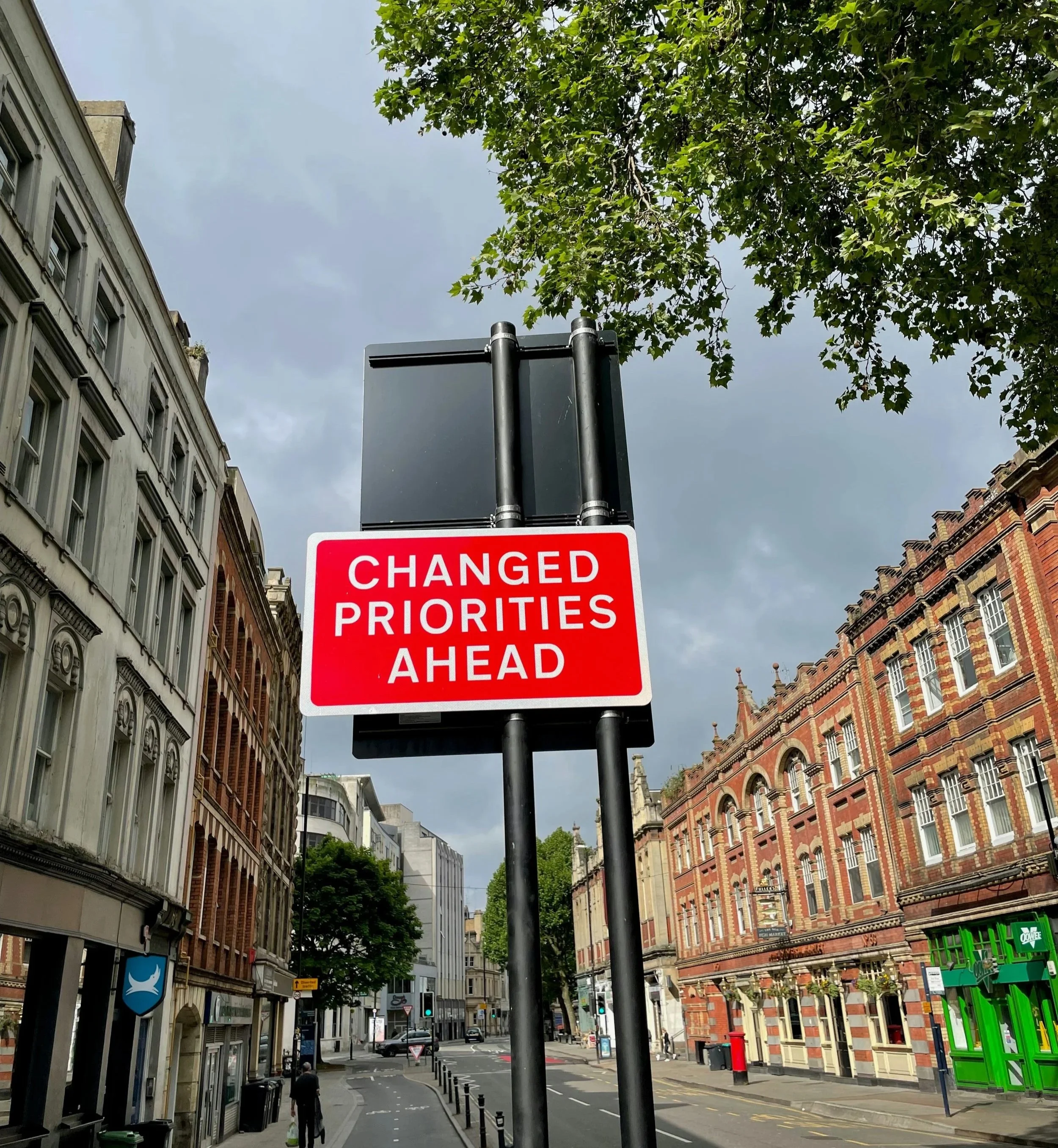
Personal growth is often framed as exciting, empowering, or inspiring.
And sometimes it is.
But what people talk about less is that growth can also feel deeply uncomfortable. Even when change is healthy and necessary, it can still come with sadness, grief, guilt, and uncertainty.
Outgrowing parts of your old life may mean:
Changing relationships
Setting new boundaries
Leaving a job or environment
Shifting priorities or values
Becoming more intentional about how you spend your time
These changes can create relief and loss at the same time.
Because growth is not only about gaining something new, it’s also about letting something go.
Why Growth Can Feel Emotionally Complicated
As people evolve, their needs, values, and sense of identity often evolve too.
Things that once felt aligned may begin to feel draining, limiting, or disconnected from who you’re becoming.
This realization can be painful.
You may start noticing:
Certain relationships no longer feel reciprocal
Old coping patterns no longer work
Environments that once felt exciting now feel exhausting
Your priorities shifting away from what once defined you
Making changes in response to this can absolutely be the right decision. But “right” decisions are not always emotionally easy ones.
Even when you’re moving toward something healthier, there is often grief for what’s being left behind.
The Grief Of Leaving Old Versions Of Yourself Behind
Growth can sometimes feel like mourning a previous chapter of your life.
Not necessarily because you want to go back, but because those people, routines, or versions of yourself once mattered deeply.
You may grieve:
Relationships that no longer fit
Familiar routines or identities
The comfort of what was known
A past version of yourself who tolerated more, needed different things, or saw the world differently
This grief can bring up a range of emotions:
Sadness
Anger
Confusion
Loneliness
Even relief
All of these responses can coexist.
Outgrowing something does not mean it never mattered.
Why Guilt Often Shows Up Too
Guilt is another common part of personal growth, especially for people who tend toward people pleasing or prioritizing others’ needs.
You may feel guilty for:
Changing priorities
Saying no more often
Leaving situations that once felt meaningful
Even if something is no longer serving you, there may still be emotional attachment to what it represented:
Familiarity
Belonging
Stability
History
Part of growth is learning that choosing yourself does not automatically mean you’ve harmed others.
People can be disappointed by your changes without those changes being wrong.
Let Yourself Feel The Emotions Instead Of Rushing Past Them
There’s often pressure to immediately frame growth positively:
This is for the best.
Everything happens for a reason.
While that may ultimately be true, it can also bypass the emotional reality of transition.
Allowing yourself to sit with the emotions, rather than immediately trying to fix or minimize them, can help you process them more fully.
This might mean:
Journaling about what you miss
Talking openly with trusted people
Acknowledging both grief and relief without judgment
Growth tends to feel more sustainable when emotions are processed rather than avoided.
Reconnect With Your “Why”
During difficult transitions, it can help to revisit the reason you made the change in the first place.
Ask yourself:
What was no longer working for me?
What am I trying to move toward?
What values am I honoring through this decision?
Growth often requires discomfort because it asks you to leave behind what is familiar, even when familiar no longer feels aligned.
Remembering your deeper motivation can help anchor you during moments of doubt or guilt.
A Final Note
Personal growth is rarely just exciting. Often, it’s emotionally layered.
You can feel grateful for change and still grieve what you left behind. You can know something was necessary and still miss it.
That complexity does not mean you’re moving backward. It means you’re human.
With time, the discomfort of transition often gives way to a stronger sense of alignment. One built not around staying the same, but around becoming more honest about who you are and what you need.
If you think more you’d want support in navigating these transitions, our practice can help.
Therapy at Gluck Psychology Collective
At Gluck Psychology Collective, we offer therapy that is warm, thoughtful, and collaborative. Our clinicians work with individuals navigating anxiety, life transitions, dating and relationships, burnout, and emotional patterns.
We offerindividual therapy andcouples therapy in NYC, with clinicians who specialize in helping young professionals better understand themselves and build healthier relationships.
Starting therapy is a meaningful investment in your well-being, and you don’t have to navigate the process alone.
✨Find the right therapist for you at Gluck Psychology Collective
If you were interested in this blog, these might be of interest to you as well:
Life Transitions in Your 20s and 30s: How to Navigate Career, Identity, and Feeling Lost
Stop Reinventing Your Life: Why Small Changes Lead to Real Growth