How to Unfollow Without Feeling Guilty: Why Setting Digital Boundaries Matters
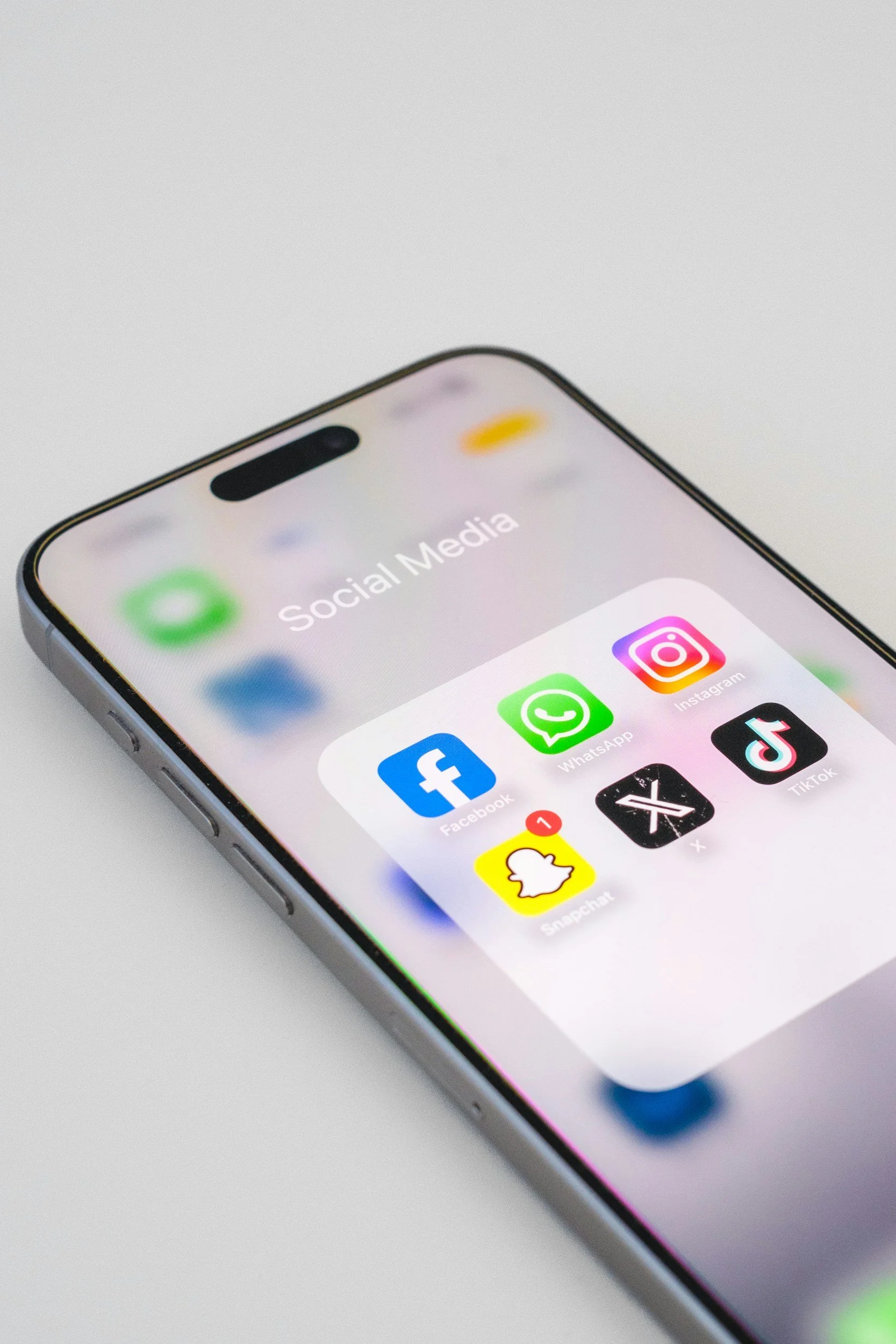
Unfollowing someone on social media can sometimes feel more complicated than it seems. While it might appear like a simple click of a button, many of us attach meaning to it.
You might worry that someone will notice, feel offended, or think you are being rude. You might even question yourself: “Am I overreacting?” or “Is this petty?”
However, intentionally choosing what you consume online can be a powerful form of self-care. Just like we set boundaries in our relationships and physical environments, we can also create boundaries around our digital spaces.
If someone’s content is negatively impacting your mental health, unfollowing them isn’t about punishing them, it’s about protecting yourself.
Social Media Affects How We Feel About Ourselves
Even when we know social media is often a highlight reel, the content we consume can still influence our thoughts, emotions, and behaviors.
Seeing someone’s constant achievements, relationships, vacations, appearance, or lifestyle can unintentionally lead to comparison. Over time, this can leave us feeling inadequate, behind, or like we aren’t doing enough.
Sometimes, the content itself may not be “bad,” but it may not be serving us in this season of life.
A friend’s engagement posts might feel difficult while navigating your own relationship journey. Someone’s career updates might trigger feelings of self-doubt while you are figuring out your next step. A creator’s perfectly curated lifestyle might make you feel disconnected from your own reality.
This doesn’t mean you are unhappy for others or that you don’t support them. It means you are recognizing the impact certain content has on you.
Reflect Before You Unfollow
Before making the decision to unfollow someone, it can be helpful to pause, reflect, and ask yourself:
How do I feel after seeing this person’s content?
Why am I following this person?
Do I feel inspired, connected, or supported after engaging with their content?
Am I following them because I genuinely enjoy their posts, or because I feel obligated?
Would not seeing this content create more peace in my day-to-day life?
If you notice that someone’s content consistently leaves you feeling anxious, discouraged, overwhelmed, or disconnected from yourself, that information is worth paying attention to.
Your online environment impacts your emotional environment.
Unfollowing Can Be A Form Of Boundary-Setting
Many people associate boundaries with direct conversations, but boundaries can also exist in smaller, everyday choices.
Unfollowing someone is a way of deciding what you allow into your space. It is not necessarily a statement about the other person, rather, it is a choice about what supports your own well-being.
This can feel especially challenging when it involves someone you know personally. You might worry that they will interpret it negatively or that it will affect your relationship.
In these situations, consider what your intention is.
Are you unfollowing to hurt someone or send a message? Or are you creating space because their content is no longer helpful for you?
The difference matters.
Sometimes, maintaining a relationship while adjusting your online connection can actually be healthier. You can care about someone and still decide that consuming their content is not beneficial for you right now.
You Can Curate Your Digital Space
Your social media feed is one of the environments you may interact with every day. Just like you might organize your physical space to feel calmer and more comfortable, you can intentionally shape your digital environment.
This might look like:
Unfollowing accounts that increase comparison
Muting someone temporarily during a difficult season
Following accounts that inspire, educate, or bring joy
Taking breaks from social media when needed
Creating a healthier online space for yourself is not selfish. It is a way of becoming more intentional about what influences your thoughts and emotions.
Final Takeaway
Unfollowing someone does not automatically mean you are being rude, dramatic, or petty. Sometimes, it is simply a reflection that your needs have changed.
You are allowed to protect your peace, create boundaries, and choose what you engage with online.
Before you unfollow, take time to reflect on why you are making that choice. If the decision comes from a place of caring for yourself and creating a healthier environment, it can be a meaningful act of self-respect.
If social media continues to make you anxious, fuel low self-esteem, or have you feeling down, further support may be warrented.
Therapy at Gluck Psychology Collective
At Gluck Psychology Collective, we offer therapy that is warm, thoughtful, and collaborative. Our clinicians work with individuals navigating anxiety, life transitions, dating and relationships, burnout, and emotional patterns.
We offer individual therapy and couples therapy in NYC, with clinicians who specialize in helping young professionals better understand themselves and build healthier relationships. We are also in-network with Aetna.
Starting therapy is a meaningful investment in your well-being, and you don’t have to navigate the process alone.
Frequently Asked Questions
-
Yes. Unfollowing someone can be a healthy way to create boundaries around your digital environment. It doesn’t necessarily mean you dislike or don’t support someone, it can simply mean their content is no longer serving you emotionally.
-
Not necessarily. The intention behind the action matters. If you are unfollowing someone to punish them or send a message, that is different from making a thoughtful choice to protect your mental health and reduce content that causes stress, comparison, or negativity.
-
Pay attention to how you feel before, during, and after viewing their content. If you consistently notice feelings of anxiety, jealousy, inadequacy, sadness, pressure, or self-comparison, it may be a sign that their content is not supporting your well-being right now.
-
Absolutely. You can value a relationship while recognizing that someone’s online presence is not beneficial for you. Unfollowing, muting, or limiting exposure to someone’s content does not erase the relationship you have with them offline.
-
Yes. Boundaries involve recognizing what you need to feel healthy and comfortable. Choosing what content you consume online is one way to create a more intentional and supportive environment for yourself.
If this was helpful to you, try one of these as your next read:
Life Transitions in Your 20s and 30s: How to Navigate Career, Identity, and Feeling Lost
How to Stop Comparing Yourself to Others