What "Touching Grass" Actually Does for Your Mental Health
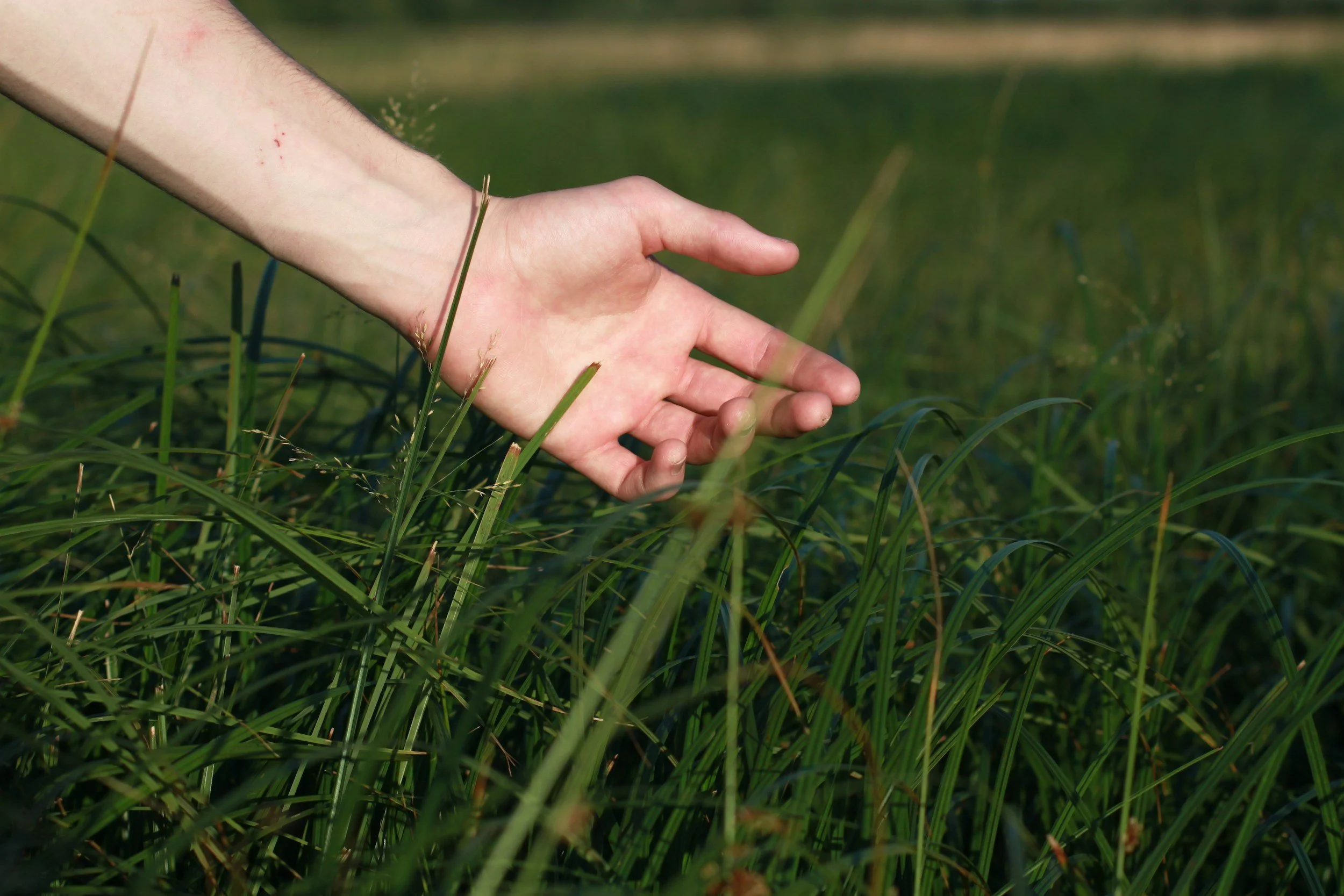
We've all heard someone joke that someone "needs to go touch grass."
Maybe you spent a little too much time scrolling social media.
Maybe you've been staring at your laptop for eight hours, or maybe you're caught in an overthinking spiral after sending a text you immediately regretted.
As funny as the phrase has become, there's actually some psychology behind it.
Spending time outdoors—even for just a few minutes—can have a meaningful impact on your mental health.
While going outside won't solve every problem, it can help regulate your nervous system, improve your mood, and offer a much-needed mental reset.
Here's why.
Nature Can Improve Your Mood
Have you ever noticed that you feel a little lighter after going for a walk?
Research suggests that spending time in nature can reduce stress and improve overall well-being. Exposure to natural light, fresh air, and green spaces has been associated with improved mood and lower levels of stress.
When we're feeling anxious, overwhelmed, or emotionally drained, simply stepping outside can help shift both our mindset and our physiology.
While nature isn't a replacement for therapy or other mental health support, it can be a valuable part of taking care of yourself.
It Helps You Feel Connected To Something Bigger
When life feels overwhelming, it's easy to become consumed by our own thoughts.
Nature has a way of gently widening our perspective.
Whether you're sitting in a neighborhood park, walking along the waterfront, or noticing the trees on your commute, spending time outdoors can remind you that there's a world beyond the worries currently occupying your mind.
This doesn't make your problems disappear.
But it can help them feel more manageable.
Feeling connected to nature has been linked to greater psychological well-being, increased mindfulness, and a stronger sense of calm.
A Change Of Scenery Creates A Mental Reset
Sometimes the most helpful thing you can do is simply change your environment.
When we've been sitting in the same room for hours, working at the same desk, or replaying the same thoughts over and over, our brains can begin to feel stuck.
Stepping outside interrupts that cycle.
The new sights, sounds, and sensations give your brain something different to focus on.
Many people notice that after a short walk, they return feeling calmer, more creative, or able to think about a problem from a new perspective.
That's because changing your environment can help interrupt patterns of rumination and encourage mental flexibility.
Make "Touching Grass" Part Of Your Routine
You don't need to spend an entire day hiking to experience the benefits of nature.
Even small moments count.
Some easy to implement ideas can include:
Taking a 10-minute walk during your lunch break.
Drinking your morning coffee outside.
Reading in your local park.
Walking a different route home from work.
Sitting on a bench without your phone for a few minutes.
The goal isn't to have the perfect outdoor experience. It's simply to give your mind and body an opportunity to slow down.
A Final Note
"Touching grass" may have started as an internet joke, but the advice isn't as silly as it sounds.
In a world filled with constant notifications, busy schedules, and endless stimulation, spending time outside can be a simple yet powerful way to reconnect with yourself, your surroundings, and the present moment.
The next time you find yourself overwhelmed, overstimulated, or stuck in your own head, consider stepping outside.
You might be surprised by how much lighter you feel after just a few minutes in nature.
Therapy at Gluck Psychology Collective
At Gluck Psychology Collective, we offer therapy that is warm, thoughtful, and collaborative. Our clinicians work with individuals navigating anxiety, life transitions, dating and relationships, burnout, and emotional patterns.
We offer individual therapy and couples therapy in NYC, with clinicians who specialize in helping young professionals better understand themselves and build healthier relationships. We are in-network with Aetna and offer reduce rates as well.
Starting therapy is a meaningful investment in your well-being, and you don’t have to navigate the process alone.
Frequently Asked Questions
-
Touching grass" is a popular internet phrase that encourages someone to step away from screens or stressful situations and spend time outdoors. While it's often used humorously, spending time in nature can have real mental health benefits.
-
Yes. Research suggests that spending time in nature can reduce stress, improve mood, increase feelings of calm, and support overall psychological well-being. Even short periods outside can make a difference.
-
Walking outdoors combines movement, fresh air, natural light, and a change of environment, all of which can help reduce stress, improve mood, and interrupt cycles of overthinking.
-
You don't need hours in nature to experience benefits. Even 10–20 minutes outside, especially in a park or green space, can help you feel more refreshed, focused, and emotionally regulated.
-
For many people, yes. Spending time outdoors can help calm the nervous system, reduce feelings of stress, and provide a mental reset. While it isn't a replacement for therapy or medical care, it can be a helpful part of a healthy self-care routine.
If this blog resonated with you, these should be your next reads:
When Stress Stops Feeling Manageable: Therapy for Anxiety and Burnout in NYC
The Importance of Rest (According to a Therapist)