
THERAPY FOR DATING IN NYC
Stop letting every text, date, and mixed signal hijack your nervous system.
Dating in New York can feel like a full-time job you never applied for. Our NYC dating therapists help Gen Z and Millennial adults navigate dating anxiety, app burnout, situationships, heartbreak, attachment patterns, and the pressure to find the right person on the “right” timeline.
This is individual therapy focused on your dating life, relationship patterns, and emotional well-being. It is not dating coaching, matchmaking, or couples therapy.
In-person therapy in Flatiron and virtual therapy throughout New York State.
Dating in NYC is hard. And you aren’t necessarily doing it wrong.


You can be self-aware, successful, emotionally intelligent, and still find yourself:
Overanalyzing texts, response times, and tiny shifts in tone
Feeling anxious before a date and depleted afterward
Getting attached to potential before a relationship has actually developed
Repeatedly choosing people who are unavailable or inconsistent
Losing interest when someone is emotionally available
Staying in situationships because leaving feels harder than waiting
Comparing your timeline to friends who are partnered, engaged, or having children
Feeling discouraged or numb after months/years of swiping
Struggling to trust yourself after ghosting, rejection, or heartbreak
Wondering why you keep ending up in a different version of the same relationship
You do not need to be in a relationship to bring relationship concerns to therapy.
Dating is often where attachment, self-worth, family expectations, vulnerability, and fear of rejection collide.
How We Help You Navigating Dating in NYC
Dating therapy is not about teaching you how to become more desirable or helping you perform perfectly on dates. It is about understanding what happens inside you when you want connection, face uncertainty, or begin getting close to someone.
Together, we can help you:
-
Learn how to pause, regulate anxiety, and distinguish between intuition, activation, and plain old uncertainty.
-
Explore why you pursue, withdraw, overgive, shut down, or feel drawn to people who cannot fully meet you.
-
Notice patterns earlier so you can make different choices before becoming deeply invested.
-
Communicate what you need, recognize incompatibility, and stop negotiating against yourself to preserve a connection.
-
Get honest about your values, needs, dealbreakers, timeline, and what a healthy relationship actually looks like for you.
-
Process ghosting, breakups, betrayal, and ambiguous loss without turning someone else’s decision into a verdict on your worth.
-
Create a meaningful life now, without pretending that wanting a relationship does not matter to you.

What Makes Dating in New York Feel So Difficult?
NYC offers endless options, but more options do not always create more connection.
Dating here can involve packed schedules, app fatigue, inconsistent communication, career pressure, long commutes, and a culture that can make everyone wonder whether someone “better” is one swipe away.
For many New Yorkers, dating also carries a sense of urgency. You may be thinking about marriage, fertility, family expectations, or whether you are falling behind.
That pressure can make every date feel overly important and every disappointment feel like evidence that your future is slipping away.
Therapy gives you a place to slow the process down, hear yourself more clearly, and make choices based on your values instead of panic, shame, or someone else’s timeline.
Dating Therapy at Gluck Psychology Collective
Our approach is warm, direct, insight-oriented, and low on clinical jargon. Think highly trained therapists who actually talk back.
We do more than validate that dating is hard. Your therapist will help you connect what is happening right now to the deeper patterns underneath it, while also giving you practical ways to respond differently.
Depending on your needs, therapy may include:
-
Explore how early relationships and attachment patterns may shape who you choose, how you respond to closeness, and what gets activated while dating. This approach helps you build more secure, satisfying relationships.
-
Understand the unconscious patterns, past experiences, and emotional needs influencing your dating life. Psychodynamic therapy can help you recognize why certain relationship dynamics keep repeating.
-
Identify and challenge the thoughts that fuel dating anxiety, rejection sensitivity, and overthinking. CBT also offers practical tools for responding differently to texts, dates, and uncertainty.
-
Learn to make dating decisions based on your values instead of fear, urgency, or self-doubt. ACT helps you tolerate difficult emotions while moving toward the relationships and life you want.
-
Get curious about the different parts of you that may crave connection, fear rejection, overanalyze, or pull away. IFS-informed work helps you approach these reactions with greater understanding and self-compassion.
-
Develop tools to manage dating anxiety, emotional overwhelm, and spiraling in real time. Mindfulness can help you pause, stay grounded, and respond more intentionally.
-
Explore how past trauma (big T or little t trauma) or painful relationship experiences may affect trust, vulnerability, and emotional safety. Therapy moves at your pace and prioritizes choice, collaboration, and a sense of safety.
-
Practice identifying your needs, communicating clearly, and setting boundaries without excessive guilt or second-guessing. This work can help you recognize incompatibility sooner and create healthier relationship dynamics.
You do not have to arrive knowing which approach you need. We will help determine what fits you.
Meet Our NYC Therapists Specializing in Imposter Syndrome
Our therapists understand the particular pressure of appearing capable while privately questioning whether you belong. We help high achievers address perfectionism, workplace anxiety, self-worth, and the exhausting need to continually prove themselves.
-
![Danielle Barish, LMSW - in-person therapist in nyc for gen z and millennials]()
Danielle Barish, LMSW
-
![Therapist in NYC, Flatiron, Manhattan virtual and in person | in network with Aetna therapist nyc]()
ClaraGrace Pavelka, LMSW
-
![Therapist in NYC, Flatiron, Manhattan virtual and in person | in network with Aetna therapist nyc]()
Kate van der Merwe, LMSW
-
![Therapist in NYC, Flatiron, Manhattan virtual and in person | in network with Aetna therapist nyc]()
Olivia Parsons, MFT-LP
-
![Therapist in NYC, Flatiron, Manhattan virtual and in person | in network with Aetna therapist nyc]()
Tara Cooney
-
![Therapist in NYC, Flatiron, Manhattan virtual and in person | in network with Aetna therapist nyc]()
Whitney Vairin, LMSW
-
![Therapist in NYC, Flatiron, Manhattan virtual and in person | in network with Aetna therapist nyc]()
Olivia Newman
-
![Therapist in NYC, Flatiron, Manhattan virtual and in person | in network with Aetna therapist nyc]()
Emma Hodge, MSt
-
![Therapist in NYC, Flatiron, Manhattan virtual and in person | in network with Aetna therapist nyc]()
Melissa Gluck, Ph.D.
-
![Mikayla Bogart - expert in couple's therapy]()
Mikayla Bogart, MFT-LP











What Therapy Might Actually Change
Therapy cannot guarantee that your next date will become your person. What it can change is the way you move through dating.
Over time, you may notice that:
A delayed text no longer ruins your entire day
You can enjoy a promising connection without mentally planning the wedding
You recognize emotional unavailability sooner
You leave situations that consistently do not meet your needs
Rejection hurts without becoming proof that something is wrong with you
You communicate more clearly instead of hinting, testing, or overexplaining
You trust yourself to choose rather than waiting to be chosen
Dating takes up less emotional space in your life
That is the goal: not becoming completely unaffected, but feeling steadier, clearer, and more like yourself.
RATES & FEE STRUCTURE
Dating Therapy Options and Fees
-
Melissa Gluck, Ph.D. —Founder & Licensed Psychologist
Sessions: $325-375
—
Associate Therapists (LMSWs)
NOW IN-NETWORK WITH AETNA
Sessions: $215 - $275
Fees vary based on experience and specializations.
—
Clinical Fellows (Therapists-in-Training)
Sessions: $75 - $150
Sliding scale options available based on financial need.
-
Join us in person (pending clinician availability) on 25th and Broadway in Flatiron.
Learn more here.
-
Available throughout New York State
Learn more about virtual therapy for dating here.
-
Clients will meet weekly (to start) for 45-50 minute sessions.
THE THERAPY PROCESS
How to Start Dating Therapy

1
Free Consultation
A 15-minute phone call to ask questions, share what you’re looking for, and see if we’re a good fit. We’ll personally match you with the therapist we believe is the strongest fit.
2
Intake Series
The first 1–3 sessions are all about you: your story, your patterns, and what you want out of therapy. We’ll wrap up with intention-setting so we have a roadmap for your growth.
3
Ongoing Sessions
Weekly 45–50 minute therapy sessions—with flexibility for your schedule and your budget. We meet you where you are, no matter what life throws your way.
WHAT TO EXPECT
Frequently Asked Questions About Dating Therapy
-
Dating therapy is individual psychotherapy focused on the emotional and relational patterns that arise while dating. It can address dating anxiety, attachment patterns, app burnout, heartbreak, fear of rejection, boundaries, self-worth, and difficulty choosing compatible partners.
-
No. Dating coaching generally focuses on strategy, profiles, messaging, or finding dates. Dating therapy explores the emotional patterns underneath your dating experiences and is provided by a trained mental health professional. We may discuss apps and communication, but we do not rely on rigid dating rules or scripts.
-
Yes. Therapy can help you understand what makes unavailable or inconsistent partners feel compelling, recognize these dynamics sooner, and practice tolerating the vulnerability of healthier relationships.
-
Yes. Therapy can help you recognize attachment activation, regulate relationship anxiety, communicate needs more directly, and develop a more secure relationship with yourself and others. The goal is not to force you into an attachment-style label, but to understand your particular patterns.
-
Absolutely. Some people begin therapy while actively dating, while others start during a break, after a breakup, or before returning to the apps. You do not need an active dating crisis to work on relationship patterns.
-
Yes. Situationships can be especially painful because the lack of clarity creates hope, anxiety, and ambiguous loss. Therapy can help you understand what is keeping you in the dynamic, identify what you need, and decide how you want to move forward.
-
Yes. Therapy provides a place to grieve the relationship or possibility you lost, reduce self-blame, understand what the experience activated, and rebuild trust in yourself before moving forward.
-
You are not alone. Many clients feel shame or worry that being single means they are behind. Therapy can help separate your genuine desire for partnership from cultural pressure and protect your self-worth while still honoring what you want.
-
Yes. We welcome clients across sexual orientations, gender identities, and relationship structures, including those exploring ethical non-monogamy or polyamory.
-
During your free consultation, we will ask about what you want to work on, the therapeutic style you prefer, your schedule, and your budget. We then personally match you with the clinician we believe will be the strongest fit.
More From Our NYC Dating Therapists

Dating + Relationships in Your 20s and 30s
A practical therapist’s guide to attachment, communication, dating anxiety, and building healthier relationships.
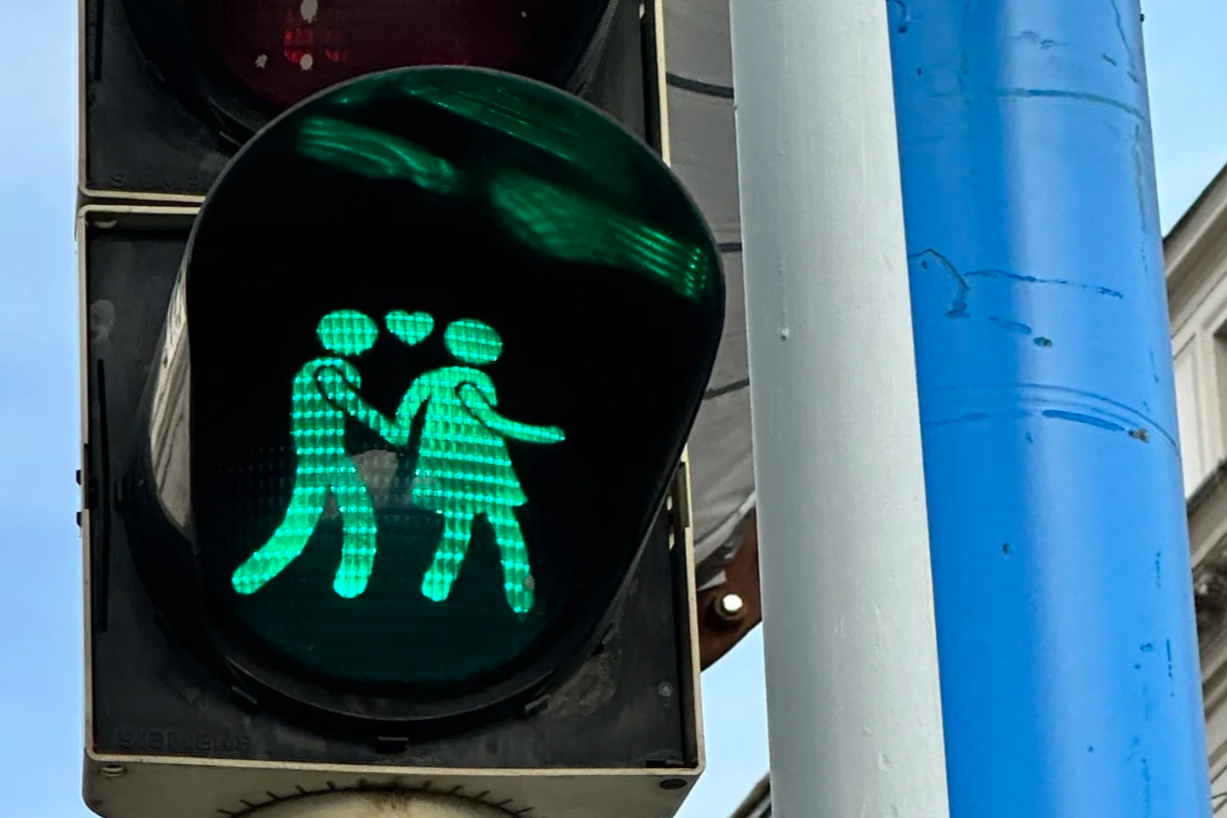
Can Attraction Grow?
How attraction changes over time and why an immediate spark is not the only sign of compatibility.

Date Smarter, Not Harder
Ten therapist-backed tips for dating with more intention, clarity, and self-trust.
Dating stress does not have to reach a breaking point to deserve support.
Sometimes dating stress looks like overanalyzing texts, feeling hopeless on the apps, comparing yourself to everyone who seems to have found their person, and carrying sadness about still being single.
Clinically reviewed by Melissa Gluck, Ph.D., Licensed Psychologist and Founder of Gluck Psychology Collective. Last updated August 2026.

THERAPY FOR ANXIETY AND OVERTHINKING IN NYC
For the mind that never gets a moment of peace.
Therapy for anxiety, overthinking, and the mental load of trying to hold it all together.
Sometimes anxiety looks like overthinking everything, feeling on edge, and never fully being able to relax.
You don’t need to be in crisis to start therapy.

You Might Be Noticing:
Difficulty Sleeping At Night
Racing Thoughts That Won’t Let Up
Replaying Conversation On Loop
Ruminating Over Work, School, + Relationships
Stress Showing Up In Your Body

Fear of Making the “Wrong” Decision
Let’s help you get out of your head and back into your life.
Tools to slow down spiraling thoughts.
Skills to calm your nervous system.

How We Help With Anxiety and Overthinking


Identify triggers and thought loops.

Break cycles of rumination + over-analysis.

Explore the deeper patterns driving your anxiety.

Support with decision-making and uncertainty.


Ready to get started + find some relief?
Schedule your free 15 minute consultation today.
THE THERAPY PROCESS
What to expect in your first few appointments
1
Free Consultation
A 15-minute phone call to ask questions, share what you’re looking for, and see if we’re a good fit. We’ll match you with the therapist who’s perfect for you.
2
Intake Series
The first 1–3 sessions are all about you: your story, your patterns, and what you want out of therapy. We’ll wrap up with intention-setting so we have a roadmap for your growth.
3
Ongoing Sessions
Weekly 45–50 minute therapy sessions—with flexibility for your schedule and your budget. We meet you where you are, no matter what life throws your way.
WHAT TO EXPECT
Frequently Asked Questions
-
If your thoughts feel constant, overwhelming, or hard to control, therapy can help. Many clients come to us feeling stuck in cycles of overthinking, worry, or self-doubt. You don’t need a diagnosis or a “severe” problem — just a sense that something feels off or harder than it should.
-
That’s actually one of the most common reasons people come to therapy. Overthinking often comes from your mind trying to protect you — even if it ends up feeling exhausting. Together, we’ll slow things down, understand what’s driving those patterns, and help you find ways to feel more calm and clear.
-
The goal isn’t to eliminate anxiety completely — it’s to help you understand it, manage it, and feel less controlled by it. Most clients notice they feel more grounded, more in control of their thoughts, and better able to handle situations that used to feel overwhelming.
-
Sessions are a space for you to talk openly, without pressure or judgment. We’ll explore what’s been coming up for you, look at patterns, and work together to help you feel more grounded and confident. It’s collaborative, supportive, and moves at your pace.
-
We do both. Our approach is insight-oriented, but we also offer practical tools when helpful — like ways to regulate your nervous system, manage racing thoughts, and respond differently in stressful moments.
-
Yes — we offer both. You can meet with your therapist in person in Manhattan or virtually from anywhere in NYC, depending on what feels easiest for you.