The Paradox of Choice: How Dating Apps Affect Relationships
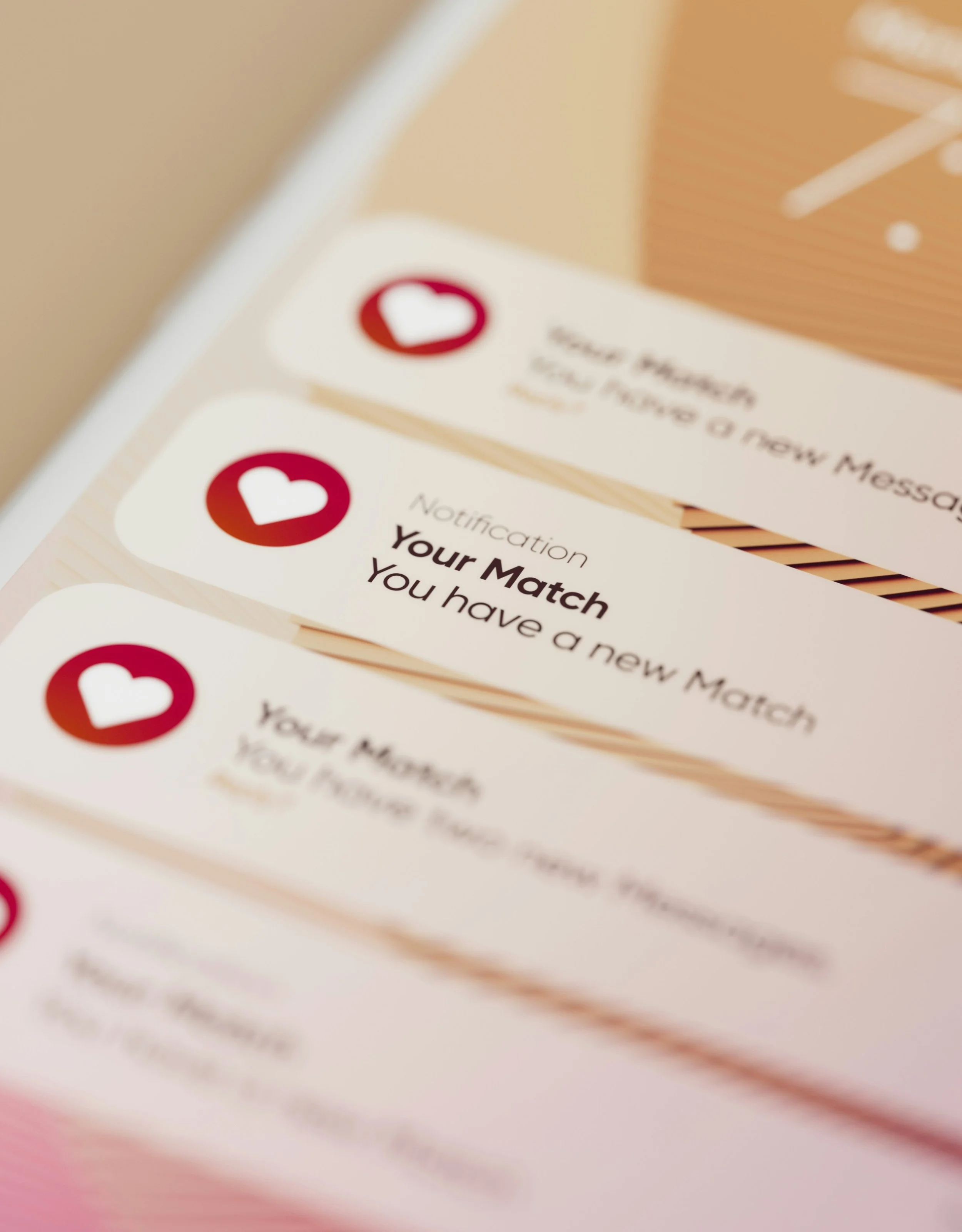
Dating apps have transformed modern dating.
With just a few swipes, you can connect with people you may have never crossed paths with otherwise. For many, dating apps have created opportunities for meaningful relationships, friendships, and even lifelong partnerships.
At the same time, having access to seemingly endless options has changed the way many people approach dating.
While more choice can be exciting, it can also create challenges. Understanding these patterns can help you date more intentionally, recognize unhelpful habits, and stay grounded in what you're truly looking for.
When Endless Options Make Commitment Harder
Dating apps create the feeling that there is always someone else waiting just around the corner.
Even when a connection is going well, it can be tempting to wonder:
Could there be someone more compatible?
What if I'm settling too soon?
What if the next match is a better fit?
Psychologists often refer to this as the "paradox of choice"—the idea that having more options doesn't always make decision-making easier. In fact, it can sometimes make us less satisfied with the choices we do make.
When people feel surrounded by endless possibilities, committing to one person can feel more difficult. Instead of investing in a connection and seeing where it develops, there can be pressure to keep searching for something better.
The result is often less certainty, more comparison, and difficulty fully investing in the present.
The Search For The "Perfect" Match
Dating apps can also encourage a mindset of optimization.
Because there is always another profile to view, it's easy to begin treating dating like a search for perfection.
Small incompatibilities, awkward first dates, or minor differences may feel like reasons to move on immediately.
Terms like "icks" have become increasingly common, sometimes leading people to dismiss potential connections before they have had an opportunity to grow.
The reality is that healthy relationships are rarely built on perfection.
Trust, attraction, intimacy, and compatibility often develop over time through shared experiences, communication, and vulnerability.
Many of the qualities people value most in long-term relationships cannot be fully assessed from a profile or a single conversation.
Sometimes connection grows slowly.
Judging A Book By Its Cover
Perhaps the most obvious limitation of dating apps is that they rely heavily on appearance.
Before someone has the chance to demonstrate their personality, humor, values, or emotional intelligence, a decision is often made within seconds.
This creates a dating environment where physical attraction becomes the primary filter.
Of course, attraction matters. But attraction is also more complex than a photo.
In real life, attraction can develop through:
Shared experiences
Emotional connection
Chemistry
Humor
Kindness
Confidence
Feeling understood
Many people have experienced becoming more attracted to someone as they got to know them. Dating apps can make this process more difficult because people are often evaluated before that deeper connection has the opportunity to form.
Dating Intentionally in a Culture Of Endless Choice
The goal is not necessarily to avoid dating apps altogether.
For many people, they remain one of the most effective ways to meet potential partners.
The challenge is learning how to use them intentionally rather than letting them shape your mindset.
This might look like:
Focusing on compatibility rather than perfection
Giving promising connections time to develop
Limiting constant comparison
Staying clear on your values and relationship goals
Being open to attraction growing over time
The more intentional you are, the less likely you are to get caught in a cycle of endlessly searching without fully engaging.
A Final Note
Dating apps have made connection more accessible than ever before. They have expanded social circles, increased opportunities to meet new people, and created relationships that may never have happened otherwise.
At the same time, they have changed how many people approach commitment, attraction, and decision-making.
More choice is not always better choice.
The strongest relationships are rarely built because someone checked every box on a profile. More often, they are built through time, consistency, vulnerability, and a willingness to truly get to know another person.
Sometimes the key to finding a deeper connection is not continuing to search for more options—but giving the right option a genuine chance.
Therapy at Gluck Psychology Collective
At Gluck Psychology Collective, we offer therapy that is warm, thoughtful, and collaborative. Our clinicians work with individuals navigating anxiety, life transitions, dating and relationships, burnout, and emotional patterns.
We offer individual therapy and couples therapy in NYC, with clinicians who specialize in helping young professionals better understand themselves and build healthier relationships.
Starting therapy is a meaningful investment in your well-being, and you don’t have to navigate the process alone.
✨Find the right therapist for you at Gluck Psychology Collective
If this blog resonated with you, we think these might help too:
Dating and Relationships in Your 20s & 30s: A Therapist’s Guide
What Actually Makes Relationships Work? A Psychologist’s Take on Modern Dating
Frequently Asked Questions
-
Dating apps can make it easier to meet potential partners and expand your dating pool. However, having access to endless options can also make it harder to commit, increase comparison, and create uncertainty about whether you're making the "right" choice.
-
The paradox of choice refers to the idea that having more options doesn't always lead to better outcomes. In dating, an abundance of matches can make decision-making more difficult and leave people feeling less satisfied with the connections they choose to pursue.
-
Dating apps can encourage people to focus on finding the "perfect" match and quickly dismiss potential partners over minor differences or imperfections. This can make it harder to recognize that compatibility, trust, and attraction often develop over time.
-
Yes. While physical attraction is important, many people find that attraction deepens through emotional connection, shared experiences, humor, vulnerability, and feeling understood. Some of the strongest relationships develop gradually rather than through instant chemistry.
-
Using dating apps intentionally means focusing on compatibility rather than perfection, limiting constant comparison, staying connected to your relationship goals, and giving promising connections enough time to develop before deciding whether they're a good fit.