Online vs. In-Person Therapy in NYC: Which Is Actually Better for You?
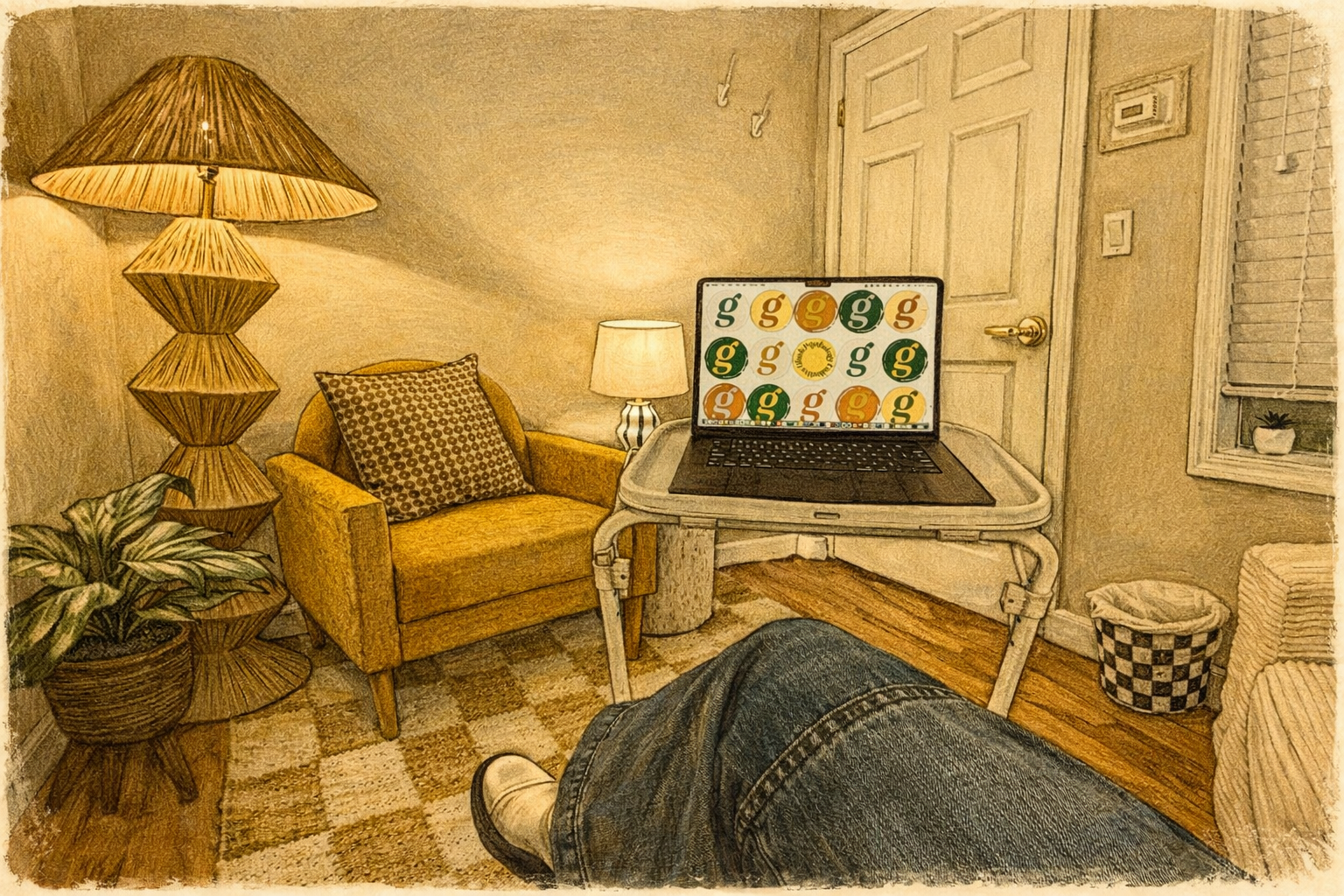
Online vs. In-Person Therapy in NYC: Which Type of Therapy Is Best for You?
If you’ve been thinking about starting therapy in New York City, you’ve probably already hit the first major decision point:
Do I go in person, or do I just do therapy on Zoom?
And honestly? It’s a bigger question than it sounds.
Because in NYC, therapy doesn’t happen in a vacuum. It happens between subway delays, packed calendars, tiny apartments, demanding jobs, social burnout, and the ongoing attempt to hold yourself together while also trying to have a life.
Both online therapy and in-person therapy can be incredibly effective. Both can help you build insight, feel more emotionally grounded, improve relationships, and navigate anxiety, burnout, trauma, or life transitions.
But they feel different.
And depending on your lifestyle, nervous system, personality, schedule, and emotional needs, one may fit better than the other right now.
The Reality of Scheduling Therapy in NYC
New York is not exactly known for giving people extra time.
Between work, commuting, social obligations, side hustles, family responsibilities, and trying to recover from burnout while somehow still functioning, finding time for therapy can feel surprisingly hard.
This is where online therapy becomes incredibly appealing.
Online therapy can make consistency easier.
Virtual therapy allows people to:
attend sessions during a lunch break
log on between meetings
avoid long commutes
fit therapy into unpredictable schedules
attend therapy from home after exhausting workdays
For many New Yorkers, accessibility is what makes therapy possible in the first place.
But in-person therapy offers something different.
There’s often something psychologically meaningful about physically leaving your apartment, entering a therapy office, and creating intentional space for yourself.
For some people, that transition matters more than they expected.
The walk to therapy becomes part of the process.
The office starts to feel grounding.
Your brain begins associating that environment with reflection, honesty, and emotional safety.
And in a city where everything blends together, having a dedicated space just for yourself can feel surprisingly powerful.
The Privacy Problem Nobody Talks About
This is one of the biggest factors people underestimate when choosing online therapy.
Do you actually have privacy at home?
Because in NYC, many people:
live with roommates
share thin walls
work from home
have partners in small apartments
don’t have a separate room
feel constantly overheard
And it’s hard to fully open up in therapy if part of your brain is still wondering whether someone can hear you through the wall.
If you’re talking about:
relationship struggles
family conflict
trauma
shame
anxiety
sexuality
self-worth
grief
…privacy matters.
A lot.
Online therapy works best when you have a space where you genuinely feel emotionally safe enough to speak freely.
For some people, that exists.
For others, in-person therapy immediately removes a barrier they didn’t even realize was affecting them.
A therapy office creates containment.
Privacy.
Separation from everyday life.
You don’t have to whisper.
You don’t have to censor yourself.
You don’t have to worry about your roommate making pasta in the background while you’re trying to talk about childhood trauma.
What Feels Different About Being in the Room
There’s something difficult to fully explain about being physically present with another person.
more awareness of body language
noticing subtle emotional shifts
feeling grounded through physical presence
deeper nervous system attunement
stronger separation from distractions
Sometimes the most important moments in therapy happen in the pauses.
The body language.
The silence before someone answers a question.
That said, online therapy has also evolved enormously.
Many people build incredibly strong therapeutic relationships virtually.
And for some clients, being at home actually helps them open up more easily.
Especially if:
eye contact feels intense
unfamiliar spaces increase anxiety
being physically close to someone feels vulnerable
they feel safer in familiar environments
Online therapy is not “less real” therapy.
But it is a different experience.
Online Therapy Can Expand Your Options
One major advantage of virtual therapy is access.
When you are not limited by commute or neighborhood, it becomes much easier to find a therapist who genuinely specializes in what you’re navigating.
That might include:
anxiety and overthinking
dating and relationships
burnout
perfectionism
people-pleasing
trauma
attachment issues
life transitions
self-worth struggles
Instead of choosing the closest therapist geographically, you can focus more on therapeutic fit.
And therapeutic fit matters.
Research consistently shows that the relationship between therapist and client is one of the strongest predictors of successful therapy outcomes.
In-Person Therapy Creates a Different Kind of Emotional Container
For some people, therapy works best when it exists in a separate physical space.
Especially for:
trauma work
grief
EMDR
relational therapy
deeper psychodynamic work
emotionally intense processing
The nervous system often responds differently to environments that feel intentional and protected.
There can be something regulating about:
sitting in the same office every week
physically arriving somewhere safe
having uninterrupted space
disconnecting from work/home distractions
In-person therapy can feel less like “another Zoom meeting” and more like a dedicated emotional experience.
And in a city that constantly demands productivity, having a space where you do not have to perform can feel deeply relieving.
So…Which One Is Better?
Honestly?
Neither is universally better.
The better option is the one that helps you:
show up consistently
feel emotionally safe
open up honestly
stay engaged in the process
build a strong therapeutic relationship
Ask yourself:
Do I actually have privacy at home?
Does commuting drain me or help me decompress?
Do I open up more easily virtually or in person?
Would leaving my apartment help me mentally shift gears?
Do I need flexibility right now?
Am I craving more human connection and presence?
Sometimes the answer changes depending on the season of life you’re in.
Some people start virtually and later transition to in-person.
Some do hybrid therapy.
Some stay virtual for years and thrive.
There is no “right” way to do therapy.
What matters most is finding support that actually fits your life.
Thinking About Starting Therapy?
If you’re considering therapy, we’d love to support you.
Submit a contact form or email us at hello@gluckcollective.com to get started.Feel free to explore our services menu and specialties to see if we click.
At Gluck Psychology Collective, we offer in-person and virtual therapy across NYC for anxiety, burnout, relationships, life transitions, trauma, self-worth, and identity development.
It is our goal to make therapy as affordable and accessible as possible —we are in-network with Aetna and offer reduced rate therapy as well.
If you’re feeling stuck or overwhelmed, you don’t have to figure it out alone. Let’s talk about it.
-
Research shows that online therapy can be highly effective for many concerns, including anxiety, depression, stress, and relationship challenges. For some people, virtual therapy improves consistency and accessibility.
-
Not necessarily! Many clients find in-person therapy especially grounding for trauma processing, EMDR, grief work, or emotionally intense sessions. But online trauma therapy can also be very effective depending on the person.
-
This is one of the biggest reasons people choose in-person therapy in NYC. If your home environment feels distracting or emotionally unsafe for therapy, having a private office space can make a major difference.
-
Absolutely. At Gluck Psychology Collective we offer both options depending on scheduling, illness, travel, weather, or changing needs. Many of our clients choose a “hybrid” option so they can get the best of both worlds.
-
Gluck Psychology Collective offers both virtual therapy across New York and in-person therapy in Manhattan for anxiety, burnout, relationships, trauma, life transitions, self-worth, and emotional overwhelm.